








Who is Dubai Properties?
Dubai Properties is a Dubai-based real estate master developer owned by Dubai Holding, which the developer describes as a diversified global company with operations in 13 countries and 10 sectors. According to the company, it began operations in 2002 as Estithmaar Realty, founded with a single project, Jumeirah Beach Residence, and became a Dubai Holding company in 2005.
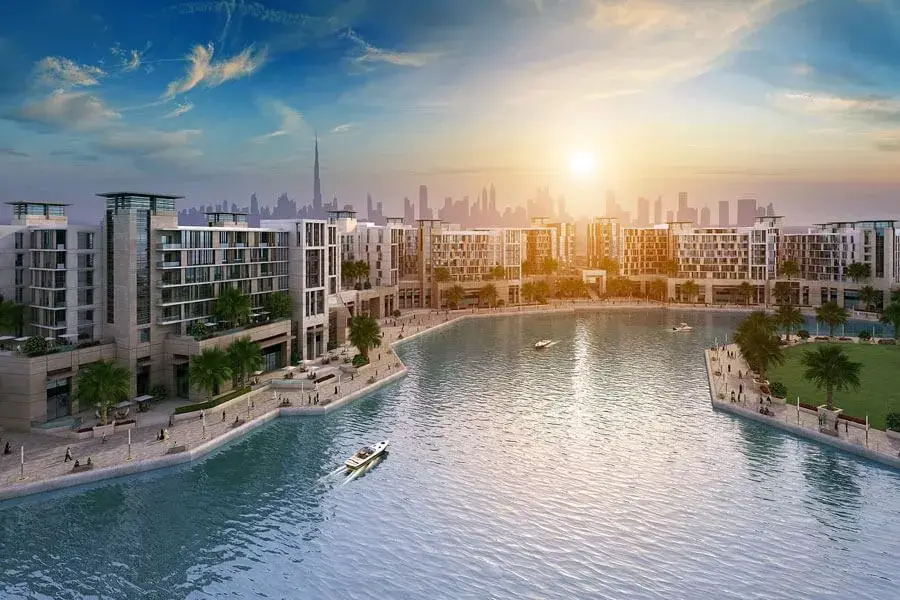
Dubai Holding now groups its development brands under Dubai Holding Real Estate. Dubai Holding describes that business as three development brands (Meraas, Nakheel and Dubai Properties) plus the facilities management provider Ejadah. Dubai Properties says its focus is residential master communities across waterfront, urban and suburban locations, and that it also gives institutional investors access to its land portfolio for development.
For buyers, the practical point is that Dubai Properties develops at community scale: it plans the master community and then releases phases of apartments, townhouses or villas within it over several years. That means a new launch is often a later phase of a community where earlier phases are already handed over and lived in, which gives you something real to visit and compare.
Notable delivered communities
Dubai Properties' track record is visible across several established neighbourhoods. Dubai Holding lists three headline communities for the brand:
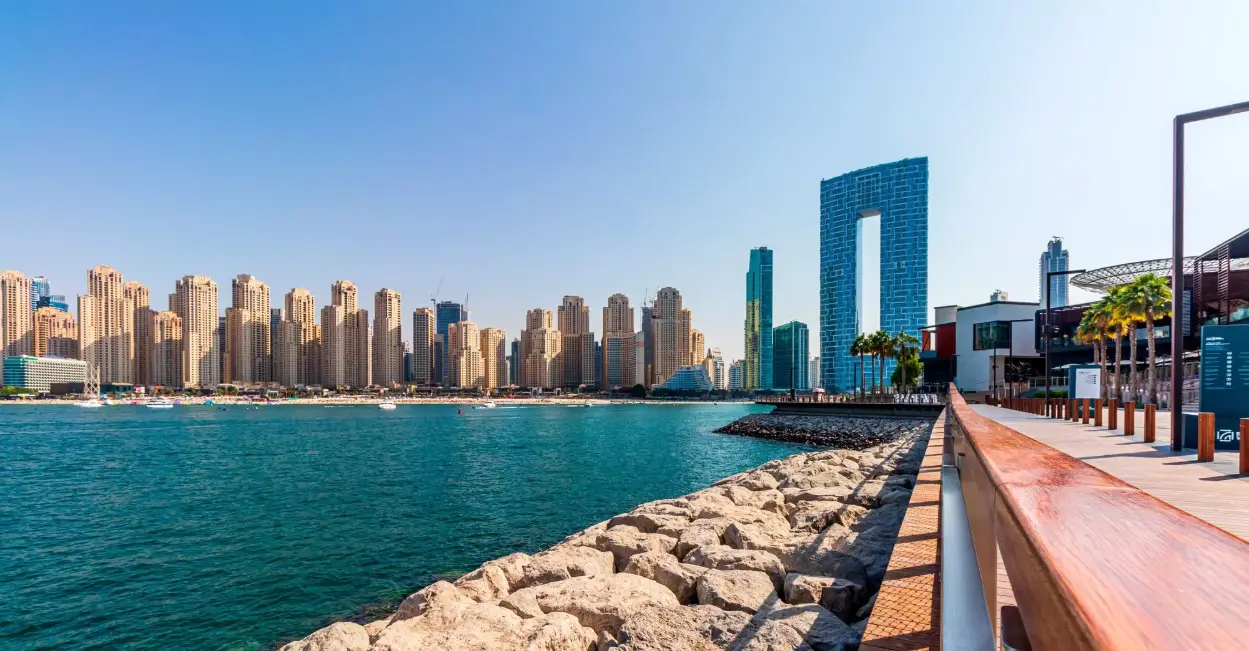
- Jumeirah Beach Residence (JBR): the beachfront community with homes, hotels, restaurants and shops along The Walk. Dubai Properties says it was acclaimed as the world's largest single-phase residential project.
- Business Bay: the district along the Dubai Water Canal combining office towers, residential complexes, commercial space and hotels. Browse off-plan projects in Business Bay.
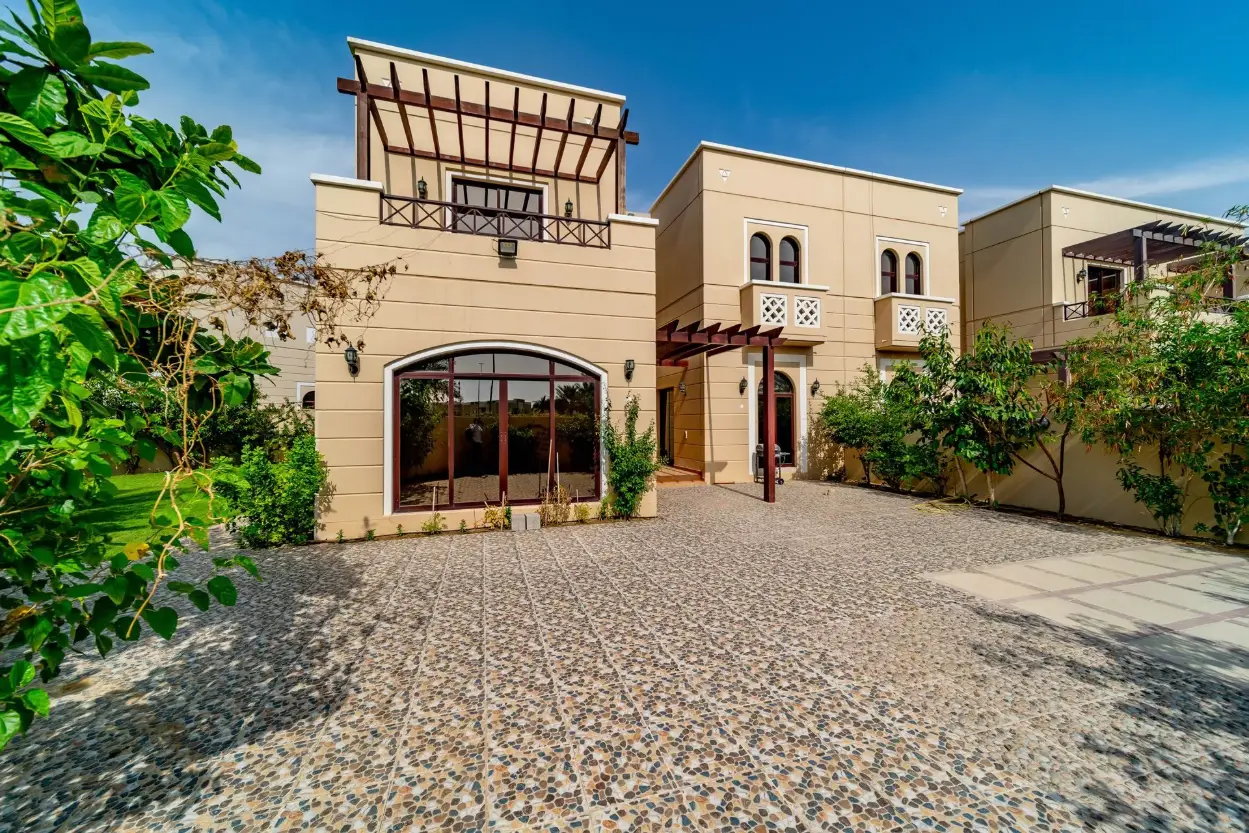
- Villanova: a family-focused master community in Dubailand with Mediterranean-style villas and townhouses. See off-plan projects in Dubailand.
The developer also lists La Vie and 1/JBR, Bellevue Towers, Remraam, Mudon, Serena, The Villa, Jaddaf Waterfront, Dubai Wharf, Manazel Al Khor and Business Bay Marina among its communities and destinations. Visiting a completed phase in the same community as a new launch is one of the simplest ways to judge build quality, landscaping and community management before you commit.
What Dubai Properties launches typically look like
Many Dubai Properties off-plan launches are new phases within its own master communities rather than standalone towers. In a suburban community such as Villanova in Dubailand, that has meant villas and townhouses; in urban destinations such as JBR and Business Bay, the stock is built around residential towers and complexes.
When comparing a launch, look at:
- Phase and plot position: later phases can sit further from existing schools, retail and road access, so check the master plan and what is already built.
- Payment plan: compare the share due during construction against the amount due at handover; our off-plan payment calculator shows the cash you need at each stage.
- Handover date: confirm the expected completion date in the DLD project record, not only in marketing material.
- Service charges: master-community and building service charges affect net rental returns; use the rental yield calculator to model them.
Unit types and availability change quickly between phases, so the live listings on this page are the best guide to what is currently on sale.
What to check before buying
Every Dubai Properties off-plan launch should be checked the same way as any other developer's project: confirm the registration, the escrow account and the payment terms before you pay. The Dubai Land Department's Project Status Enquiry (Mashrooi) tool, also in the Dubai REST app, lets you search a project by name or number and see the developer, the escrow bank, the registration date and the completion date.
- Escrow: under Law No. 8 of 2007, off-plan payments go into an escrow account opened in the project's name and used only to develop that project, and 5% of the total amount paid is retained in the account for one year after completion to cover defects (DLD FAQ). Pay instalments into that account, not to a third party.
- Oqood: the developer registers your off-plan purchase with the DLD through the Oqood portal, and you receive a provisional registration e-certificate by email (DLD Oqood service). See our Oqood guide.
- Contract terms: read the sale and purchase agreement for the construction-linked or date-linked instalment schedule, the anticipated completion date, the handover conditions and the fees payable on resale before handover. Ask how the developer handles transfers if you may sell early; see our guide to selling off-plan before handover.
Our guide to judging a Dubai developer and escrow and RERA protection guide cover each step in more detail.


