










Where is JLT and how do you get there?
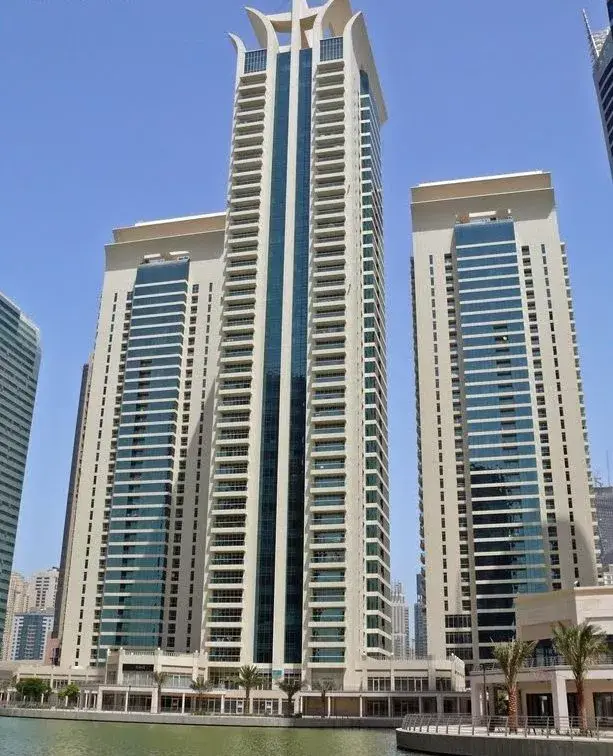
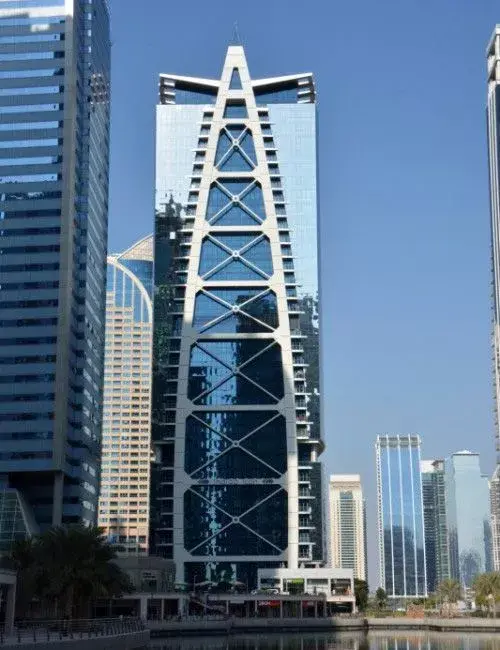
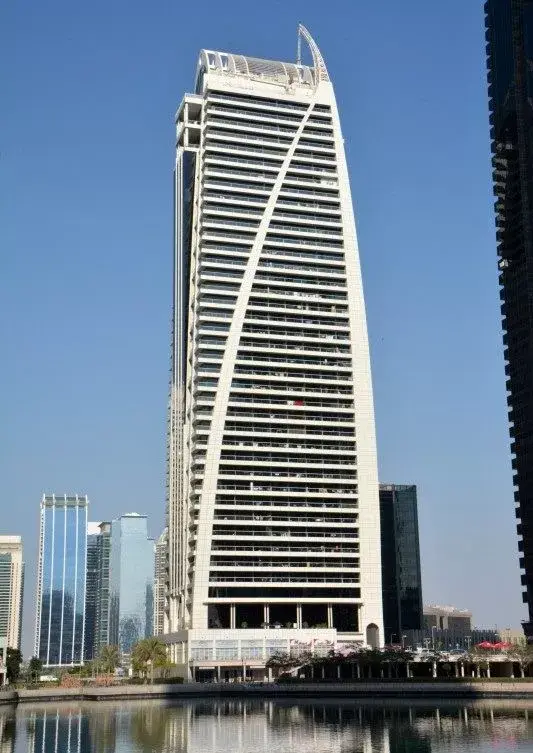
JLT lies along Sheikh Zayed Road, with Dubai Marina, Emirates Hills, Jebel Ali and Al Sufouh around it. Its towers are arranged around artificial lakes, including Lake Almas West, Lake Almas East and JLT Lake, with the 66-floor Almas Tower standing on its own island between the two Almas lakes.
Public transport is one of JLT's strengths. Two Red Line metro stations serve the district: DMCC station, renamed from Jumeirah Lakes Towers station in December 2022, and Sobha Realty station, previously named Dubai Marina. That puts much of the community within reach of the metro, with Dubai Marina a short trip across Sheikh Zayed Road.
Road access is via Sheikh Zayed Road. Because towers are grouped into clusters, the walk to the nearest metro station, the lake and the main road differs from one cluster to the next, so check this for the exact building rather than for JLT as a whole.
Who is the master developer and what is JLT like?
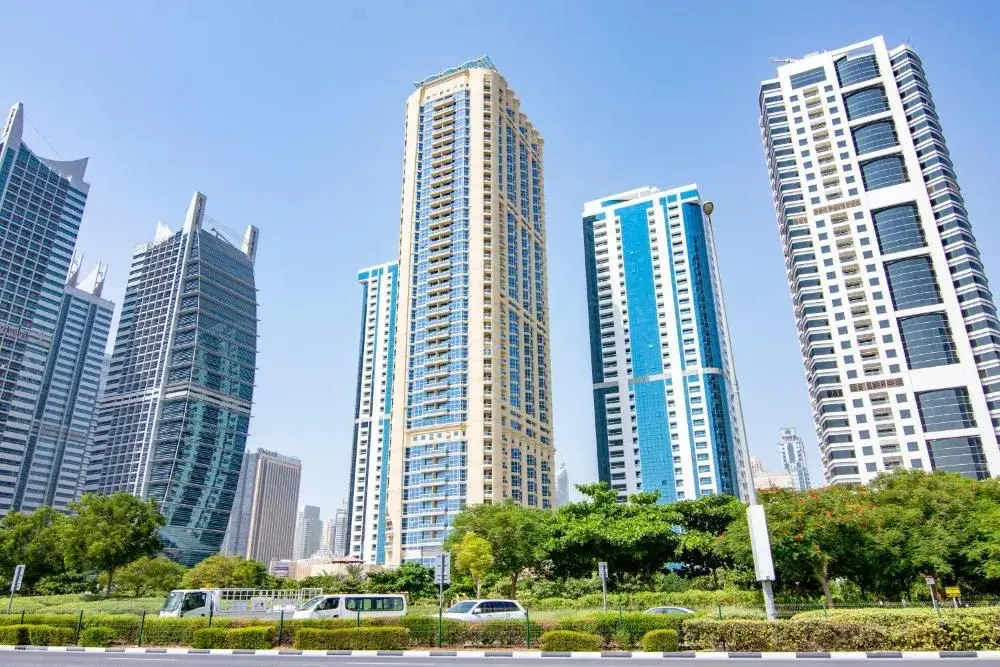
DMCC, which describes itself as a free zone and Government of Dubai Authority on commodities trade and enterprise, is the developer and manager of JLT. DMCC cites 87 high-rise towers and says more than 100,000 people live and work in the district, alongside its newer Uptown Dubai district. The towers are organised into 26 clusters labelled A to Z, and most stand between 35 and 45 floors.
JLT is genuinely mixed-use: offices, homes, hotels, cafés and schools sit side by side. DMCC lists more than 470 cafés and restaurants, over 300 retail outlets and more than 180 education and childcare facilities in JLT, and its free zone is based here, so many people work locally.
The area tends to suit buyers who want an established, metro-connected neighbourhood with everyday amenities already in place: professionals working in or near JLT, couples and small families, and investors who prefer an area with existing rental demand. Buyers looking for villas or new-community open space usually look elsewhere.
What property types are launched off-plan in JLT?
Off-plan launches in JLT are apartments and penthouses in towers. Recent examples announced by DMCC show the pattern:
- Danube Properties twin towers: announced in January 2024 as 65-storey twin towers with 1,200 residential units next to Uptown Dubai. DMCC and Danube previously delivered Viewz in Cluster K.
- W Residences: announced in May 2024 by DMCC and Signature Developers with Marriott International, an approximately 32-storey building with around 200 apartments.
These partnerships mean JLT off-plan projects are built by different developers on DMCC land, so specifications, payment plans and handover track records vary. Compare the developer as carefully as the tower, using our guide on how to judge a Dubai developer, and see more from Danube Properties.
Hotel-branded towers carry operator standards and can have different service charges, so treat them as a separate category from standard residential buildings and ask for the figures.
What should you check before buying off-plan in JLT?
In JLT, the key check is how the off-plan price compares with ready apartments nearby. Because the district is established, you can usually find finished units in neighbouring clusters to benchmark against.
- Off-plan versus ready: compare price, size and service charges with ready units in the same or adjacent clusters, and weigh the new-build specification against waiting for handover. Our guide to off-plan versus ready property sets out the trade-offs.
- Cluster and view: confirm the cluster, distance to the metro and whether the unit faces a lake, Sheikh Zayed Road or a neighbouring tower.
- Construction nearby: new towers are planned in and around the district, so ask what is planned around yours.
- Registration and escrow: check the project on the Dubai Land Department's Project Status enquiry or the Dubai REST app, and pay only into the project escrow account required under Dubai Law No. 8 of 2007. See our escrow guide.


