































Villa or townhouse: which type of house?
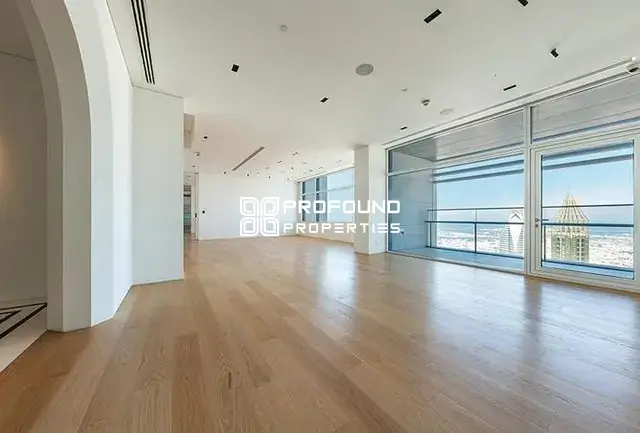
Choose a villa if you want a larger plot, more privacy and more outdoor space; choose a townhouse if you want house-style living with less land to maintain. Both are sold ready and off-plan across Dubai's suburban communities.
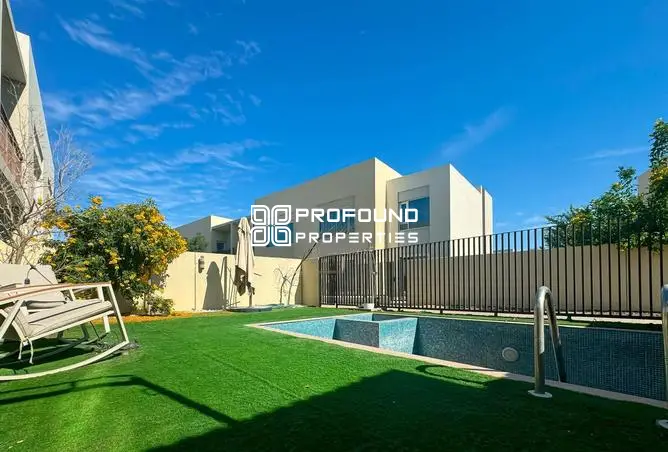
A villa stands alone on its plot, so you have no shared walls and more control over outdoor space. Upkeep is higher, from gardens to pools and exterior maintenance.
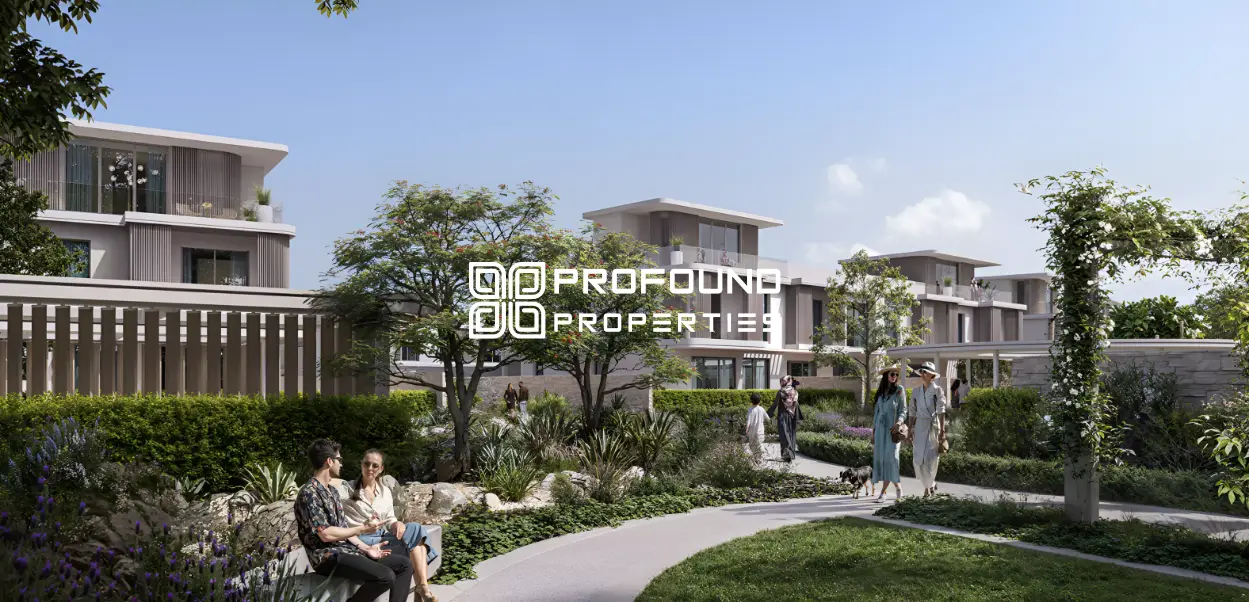
A townhouse shares one or both side walls and usually has a smaller garden or terrace. End units often have extra space and light. For many families, a townhouse is the step between an apartment and a villa.
Whichever you choose, look closely at the community: schools and nurseries, the commute, parks and pools, and the annual service charges, which you can check against the RERA-approved figures in DLD's Service Charge Index.
Browse each type in detail on our villas for sale and townhouses for sale pages, or see the off-plan villa and off-plan townhouse collections.
Buying a ready house vs an off-plan house
A ready house lets you move in or rent it out as soon as the transfer completes; an off-plan house lets you spread payments over construction in exchange for waiting and taking on delivery risk. Your timeline and cash flow should decide which fits.
For a ready house, the sale is registered at a DLD trustee office. Both parties show Emirates ID, or a passport for non-resident foreigners, and in freehold areas the developer must issue an electronic no-objection certificate through the Dubai REST app. A survey and, if you wish, an official valuation through DLD's property valuation service help you check condition and price.
For an off-plan house, you pay the developer under its payment plan. Dubai Law No. 8 of 2007 requires developers selling off-plan to open a project escrow account, and buyers' payments are deposited into it and protected from attachment by the developer's creditors. Check the handover date, specification and any post-handover instalments in your contract.
Compare the two in our off-plan vs ready guide and the off-plan buying guide.
What buying a house in Dubai costs
Allow for a 4% DLD registration fee plus fixed registration charges, and a mortgage registration fee if you borrow. These are paid on top of the purchase price.
| Fee (DLD schedule) | Amount |
|---|---|
| Registration fee | 4% of the sale value (listed as 2% buyer, 2% seller; your contract sets who pays) |
| Title deed | AED 250 |
| Villa map | AED 250 |
| Knowledge and innovation fees | AED 10 each |
| Trustee office fee | AED 4,000 + VAT (sale value AED 500,000 or more); AED 2,000 + VAT below that |
| Mortgage registration | 0.25% of the mortgage value |
Then add the running costs of a house: community service charges, utilities, and maintenance of gardens, pools and air conditioning. If you are buying an older ready home, set aside money for repairs found in your survey.
Our DLD fees guide and guide to buying property in Dubai explain each payment and when it falls due.
Mortgage basics for house buyers
You can usually borrow most of the price of a ready house, but less for an expensive or off-plan one. The Central Bank of the UAE sets these maximum loan-to-value (LTV) ratios:
- Expatriates, first home: 80% below AED 5 million, 70% above.
- UAE nationals, first home: 85% at AED 5 million or less, 75% above.
- Second home or investment property: 60% for expatriates, 65% for nationals.
- Off-plan: 50% for every buyer.
Loans can run for up to 25 years, and your total debt repayments cannot exceed 50% of your gross salary and regular income. Get a pre-approval before you make an offer so you know your real budget, including fees.
A house worth AED 2 million or more may also be relevant to a residency application: the UAE government portal lists a minimum capital of AED 2 million, which can be through property ownership, for its real estate investor Golden Visa category. Confirm the conditions with the authorities, and see our Golden Visa guide, mortgage guide and off-plan mortgage guide.
Where to buy a house in Dubai
Houses are concentrated in Dubai's master-planned communities, so start with location: where you work, where your children will study, and the setting you want. Then compare service charges and how far each community's development has progressed.
- Dubai Hills Estate: an Emaar and Meraas joint venture, the first phase of Mohammed Bin Rashid City, with neighbourhoods arranged around an 18-hole championship golf course.
- Palm Jumeirah: master-developed by Nakheel, with gated residential communities off the island's spine.
- DAMAC Hills, Dubailand, Al Furjan and Meydan City: compare current projects on each area page.
Visit at different times of day, check how complete the surrounding phases are, and time the drive to work and school at peak hours. In communities still being built, expect construction nearby for some years. For more, see our guide to where to buy off-plan, compare rental yields by community if you may let the house, or browse all areas.


